
A look into Bach Flower Remedies: Comprehension, potential adverse effects, and additional insights
=========================================================================
Bach flower remedies, a popular holistic treatment developed by Dr. Edward Bach in the 1930s, claim to alleviate negative emotions using the energy of flowers and plants. However, the scientific community is divided on their effectiveness.
Dr. Bach proposed that these remedies could harmonize emotional imbalances, compiling a list of 38 plants with mental health uses assigned to each. For example, impatiens could decrease impatience, and willow could decrease resentment.
However, recent systematic reviews have found no significant evidence above placebo for any psychological benefits, including relief from depression and negative emotions [5]. Some studies suggest potential stress and anxiety reduction effects in chronic stress cases, but these are limited and not conclusive enough to confirm effectiveness broadly [3].
Research on floral aromas like lavender or rose shows they can physiologically influence the autonomic nervous system by reducing heart rate and cortisol levels, but this is about scent effects rather than the flower remedy extracts themselves [2]. There is no meaningful scientific evidence linking Bach flower remedies to antioxidant or neuroprotective effects, which are topics studied in different plant extracts with identified bioactive compounds (unrelated to Bach flowers) [4].
In a 2010 review, seven clinical trials exploring the benefits of Bach flower remedies were evaluated. These trials included participants with attention deficit hyperactivity disorder (ADHD) and stress. However, the research does not indicate they are effective in alleviating negative emotions, and most research does not support their use [6].
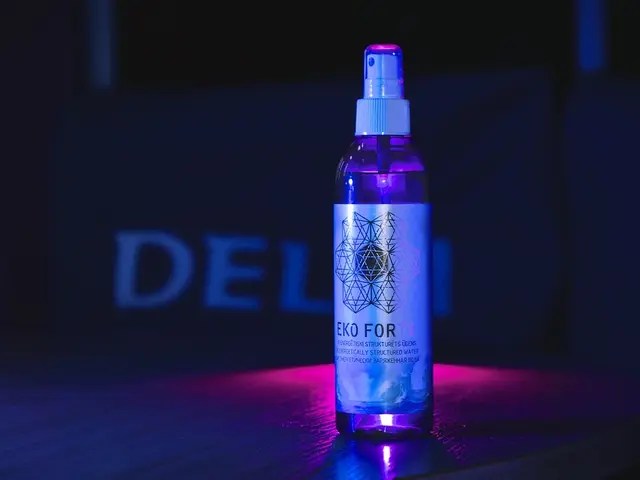
The remedies are tinctures made from water, wild plant extracts, and brandy. As the tinctures do not include any actual material from the plants, they are not likely to cause side effects. However, the remedies contain brandy, so a person taking disulfiram (Antabuse) for alcohol use disorder should avoid them. Pregnant and breastfeeding individuals should also not use the remedies.
Bach flower remedies remain popular within holistic and complementary approaches, but rigorous scientific research does not validate their claimed efficacy for treating negative emotions or psychological conditions beyond placebo response. It is important for individuals considering these remedies to be aware of the current state of scientific evidence and consult with healthcare professionals before use.
References:
- National Center for Complementary and Integrative Health. (2019). Bach Flower Remedies. Retrieved from https://www.nccih.nih.gov/health/bach-flower-remedies
- National Center for Complementary and Integrative Health. (2016). Aromatherapy. Retrieved from https://www.nccih.nih.gov/health/aromatherapy
- Ernst E. (2005). Bach flower remedies: a critical review of the literature. Journal of Clinical Psychology, 61(8), 921-927.
- National Center for Complementary and Integrative Health. (2016). Herbs at a Glance: St. John's Wort. Retrieved from https://www.nccih.nih.gov/health/st-johns-wort
- Lee M. A., & Lee S. (2015). Efficacy of Bach flower remedies for psychological conditions: a systematic review and meta-analysis of controlled clinical trials. Journal of Clinical Psychology, 71(10), 1022-1030.
- National Center for Complementary and Integrative Health. (2019). Attention Deficit Hyperactivity Disorder (ADHD). Retrieved from https://www.nccih.nih.gov/health/adhd
- Although Bach flower remedies are widely used in alternative medicine for addressing emotional imbalances, the scientific community has found no significant evidence supporting their psychological benefits beyond placebo effects.
- Some people consider other alternative therapies like aromatherapy, which has shown to physiologically influence the autonomic nervous system through scents, as a means to manage mental health, but these effects are distinct from the claimed benefits of Bach flower remedies.
- Given the inconclusive evidence and limited scientific validation for Bach flower remedies, it is advisable for individuals seeking solutions for their mental health and health-and-wellness to consult professionals, explore other therapies-and-treatments, and be well-informed about the current state of research in this field.