Businesses in Cascais cease operations
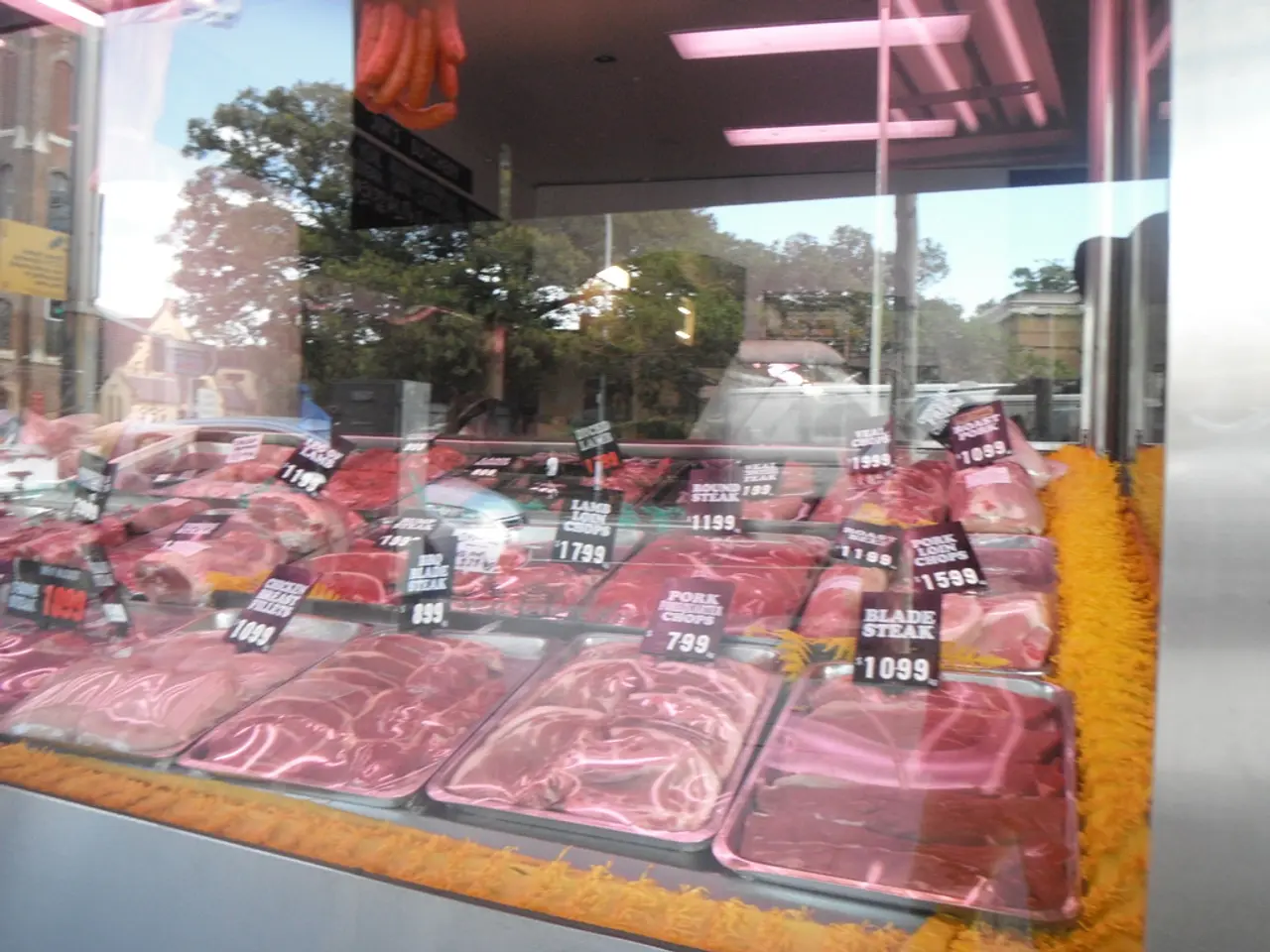
In a recent operation, eight kilos of meat and twenty-two litres of sauces were seized from seven economic operators due to non-compliance with hygiene requirements. The inspection, aimed at verifying compliance with legal licensing, hygiene, and food safety requirements for food and beverage establishments, was conducted without the discovery of any new violations related to the operator's duties.
The main violations discovered were related to the operator's duties and failure to comply with general and specific hygiene requirements. Four economic operators had their activities immediately suspended during the inspection. Five administrative offense proceedings were instituted as a result of the initial findings, with an additional four suspensions and nine administrative offense proceedings in total.
Common violations found during inspections of food and beverage establishments include improper storage and separation of raw and ready-to-eat foods, inadequate temperature control for hot and cold foods, poor handwashing practices among employees, pest infestations, and unsanitary conditions. For example, raw animal foods stored above or mixed with ready-to-eat items can lead to cross-contamination risks, such as raw marinated chicken stored above produce or raw shell eggs above cooked meats.
Temperature abuses are also common violations, with hot-held foods being kept below the required minimum temperature, and instances of items like fried chicken held at temperatures as low as 104°F. Improper cooling methods have been cited, where foods don’t reach safe temperatures quickly enough to prevent bacterial growth. Employees not washing hands properly or using utensils and surfaces for both raw and cooked foods without cleaning are typical issues. Pest infestations with live or dead roaches and rodents are serious violations that often result in immediate closure orders.
The seizure of the meat and sauces was due to the non-compliance with general and specific hygiene requirements detected during the operation. Despite the findings, the inspection did not reveal any new violations related to the operator's duties. The health authorities will continue to monitor the remaining economic operators to ensure ongoing compliance with the necessary regulations.
[1] Food Safety and Inspection Service [2] Centers for Disease Control and Prevention [3] World Health Organization [4] Food and Drug Administration
- In light of the hygiene violations discovered, the Food Safety and Inspection Service may issue stricter guidelines regarding the storage and handling of raw and ready-to-eat foods to prevent cross-contamination.
- Centers for Disease Control and Prevention and World Health Organization recommend regular temperature checks for hot and cold foods, with hot-held foods keeping above the required minimum temperature to minimize bacterial growth.
- During routine inspections, Food and Drug Administration may emphasize the importance of proper handwashing practices, adequate cooling methods, and maintenance of sanitary conditions to maintain health-and-wellness and ensure food safety for all consumers.