
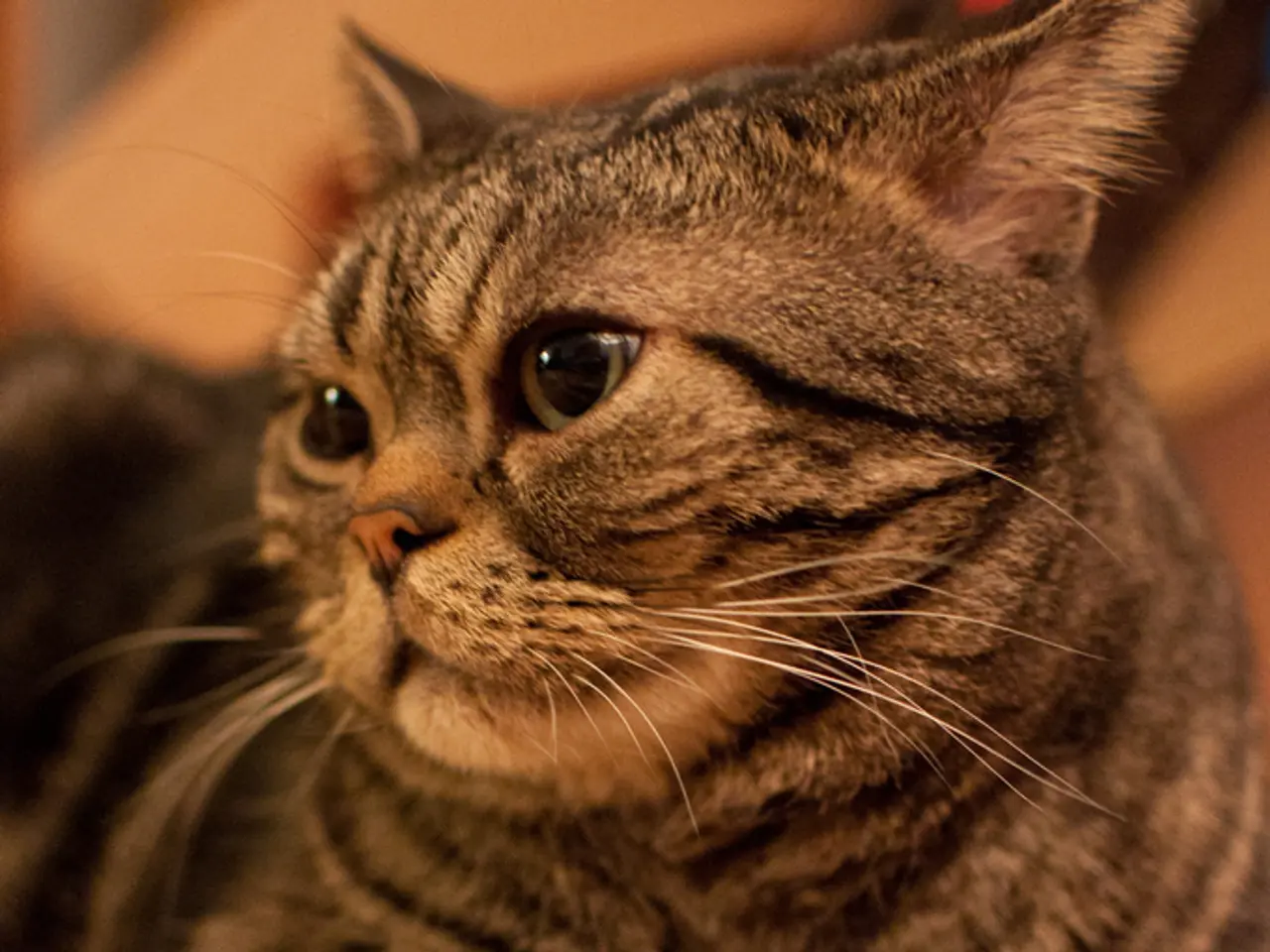
Cat Sneezing: Could It Be Allergies? Examination of Potential Causes
In the feline world, frequent sneezing can be a cause for concern. This article aims to shed light on the common causes and potential treatment options for this issue.
Keeping a cat indoors, ensuring regular vaccinations, and maintaining a clean environment can support a cat's health, but even with these precautions, cats can still develop health problems. One such problem is frequent sneezing, a symptom that can signal various underlying issues.
Frequent sneezing in cats is commonly caused by upper respiratory infections (URIs), especially viral infections like feline herpesvirus (FHV-1) and feline calicivirus. These infections are similar to human colds and can also involve bacterial or fungal pathogens. Such infections often lead to symptoms including sneezing, nasal and eye discharge, lethargy, coughing, and squinting.
Besides infections, allergies are another frequent cause. Cats can develop allergies to environmental factors such as dust, mold spores, pollen, or household cleaning agents, leading to sneezing fits. Other types of allergies that may cause sneezing include food allergies, flea allergies, contact allergies, and atopic dermatitis. These allergies may also cause skin irritation, gastrointestinal symptoms, and respiratory distress.
Other less common but serious underlying health issues that might cause frequent sneezing include foreign bodies or irritants lodged in the nasal passages, dental problems affecting the upper jaw, chronic rhinitis or sinusitis, feline leukemia virus (FeLV) and feline immunodeficiency virus (FIV), which can weaken the immune system and predispose to respiratory signs, and nasal tumors or polyps (rare).
If sneezing is accompanied by additional signs such as nasal discharge, pawing at the face, lethargy, loss of appetite, or breathing difficulties, veterinary evaluation is recommended to diagnose the cause and initiate appropriate treatment.
In summary, the main causes of frequent sneezing in cats are viral infections, bacterial or fungal infections, allergies, foreign bodies, chronic conditions, immune-related infections, and nasal growths. Persistent or frequent sneezing is a sign that the cat's nasal passages are irritated or infected, so consulting a veterinarian is advised for proper diagnosis and treatment.
Diagnostic tests and treatments such as antiviral medications, anti-fungal medications, or antibiotics may be recommended by a vet depending on the underlying cause. If a cat's sneezing persists, becomes more frequent, or is accompanied by nasal discharge, loss of appetite, or lethargy, veterinary care is necessary.
Foreign material lodged in a cat's nose, such as grass or dust, can trigger sneezing and is sometimes dislodged by sneezing.
This article was created using AI technology and fact-checked and edited by a website editor.
Technology and science play a crucial role in managing and treating health issues in cats. For instance, antiviral medications, anti-fungal medications, and antibiotics are technological advancements that can help treat the various infections causing frequent sneezing in cats. On the other hand, understanding the environment and implementing health-and-wellness practices, such as ensuring a clean home and minimizing allergens, can prevent or reduce the occurrence of allergies that may lead to frequent sneezing.