
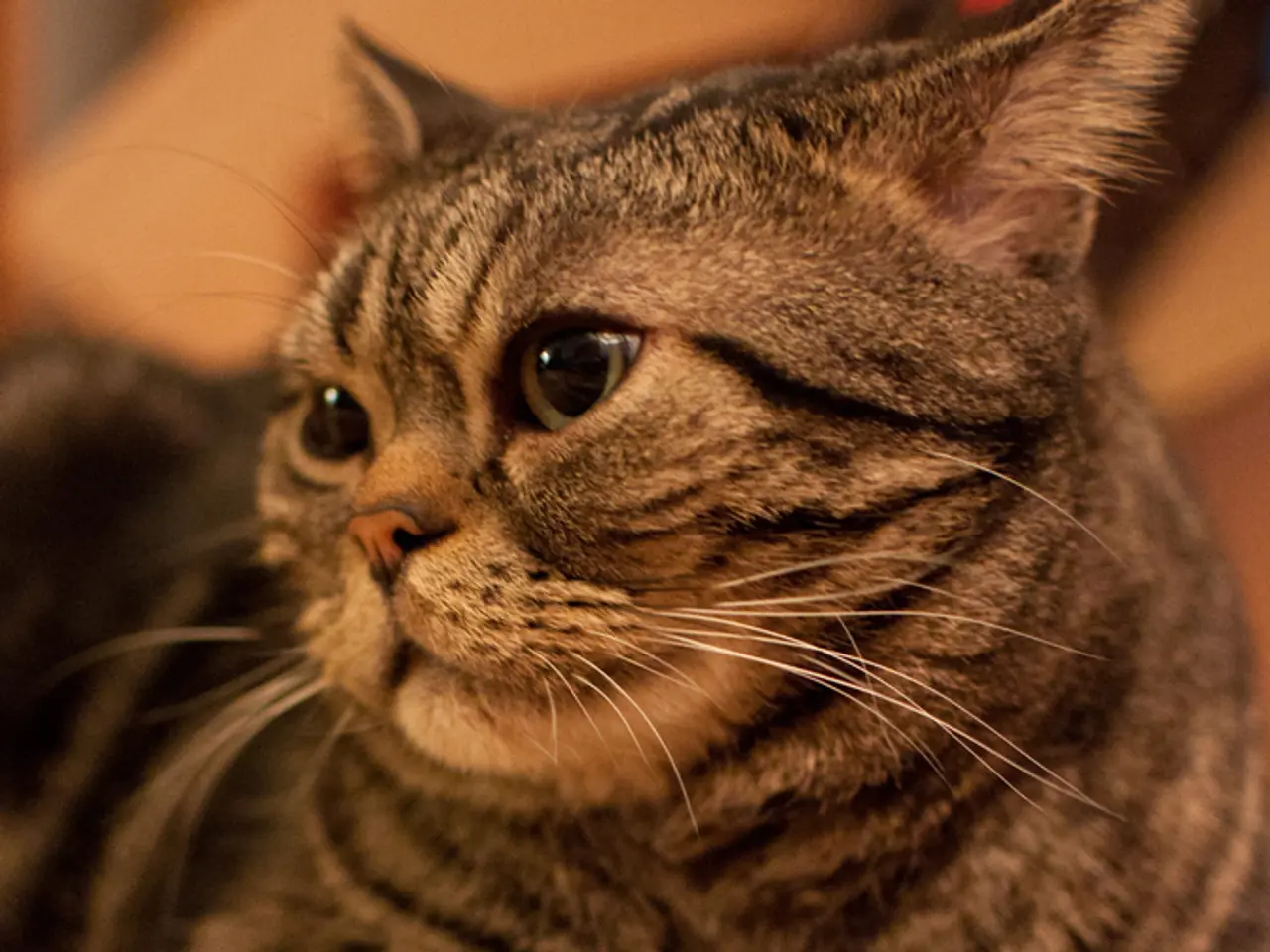
Cats have been hunting humans for centuries, not the other way around.
In the annals of human history, the relationship between humans and cats is a captivating tale that spans thousands of years. Only in the last few centuries have "purebred lap cats" emerged, but the roots of this bond go much deeper.
The initial human-cat relationship was built on a contract: you catch mice - we won't bother you. This symbiotic relationship evolved through a process of self-domestication by cats rather than deliberate human intervention. Around 7,000 to 10,000 years ago, wild cats of the species Felis silvestris lybica—the African Wildcat—were attracted to human settlements due to the abundance of rodents feeding on stored grain.
Over time, these cats adapted to living near humans, gradually developing a mutualistic relationship where cats helped control pests and humans tolerated or welcomed their presence. Unlike dogs, which were domesticated through active breeding and selection by humans, cats largely domesticated themselves by adjusting their behavior to exploit the new ecological niche created by human agriculture.
This self-domestication process entailed cats retaining much of their independent and predatory nature; domestic cats today remain genetically close to their wild ancestors and can still survive well in the wild. Interestingly, cats developed a special communication system using signals akin to kitten-to-mother vocalizations to interact effectively with humans, which helped foster their bond with people despite their solitary origins.
The human brain has an automatic attention towards members of the feline family, a trait not affected by the size of the cat. This attention, according to naturalist Yevgeniya Timonova, is not a recent development. Cats are descendants of animals that once hunted our ancestors, yet the combination of danger and adorableness in domestic cats triggers the release of adrenaline and oxytocin, creating a unique emotional response.
The appearance of domestic cats includes features that trigger parental instincts, further strengthening the bond between humans and cats. From large eyes and rounded forms to childlike features, these physical characteristics have evolved over time to make cats more appealing to us.
Our fondness for cats has roots in human evolution. Early humans benefited from cats controlling pests, and cats benefited from human proximity and resources. This long evolutionary history reflects the mutual benefit and unique interspecies relationship that exists between humans and cats today.
In sum, cats approached humans and gradually "domesticated themselves" by exploiting opportunities created by human behaviors, creating a relationship characterized by mutual benefit but with cats maintaining much of their wild autonomy.
Cats, in their evolution, moved towards human settlements around 7,000 to 10,000 years ago, adapting to a life near humans and providing pest control. Today, scientific studies reveal that our brains have an inherent attraction towards cats, relating this to our evolutionary past and the potential release of adrenaline and oxytocin when interacting with them. In the realm of health-and-wellness and fitness-and-exercise, owning a cat could, inadvertently, be a form of stress-relief and emotional support due to this unique relationship.