
Child Psychology Assessments: Examination of Development through Projective Measures
In the realm of child psychology, therapists are increasingly turning to projective tests as valuable tools for understanding the hidden fears and emotions that children may find difficult to express directly. These tests, which can take the form of drawing or storytelling exercises, provide a unique window into a child's emotional world.
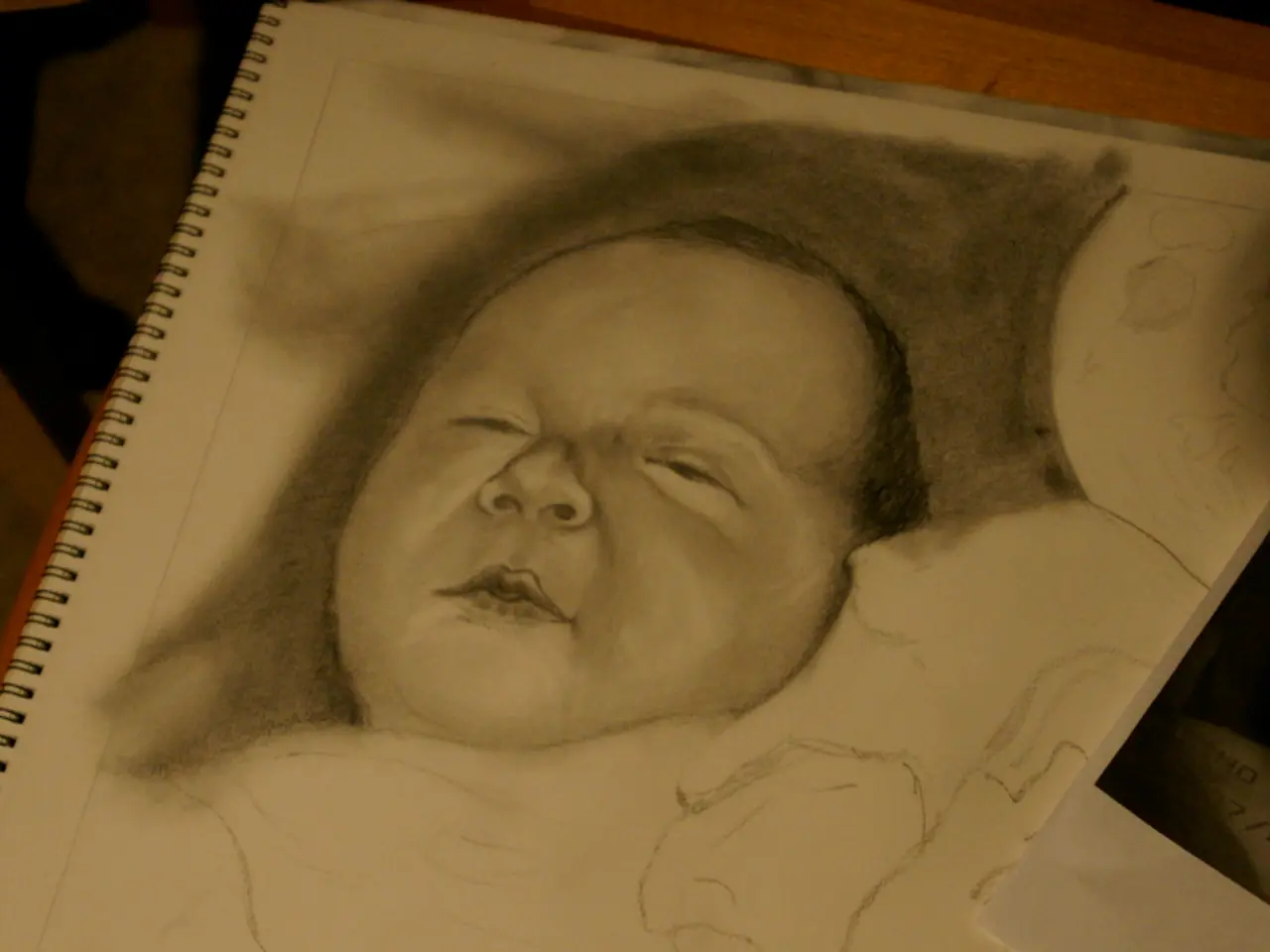
Projective tests fall into two broad categories: drawing-based methods and narrative-based methods. Drawing-based techniques, such as the Draw-A-Person (DAP), House-Tree-Person (HTP), Kinetic Family Drawing (KFD), and Draw-A-Family Picture Test, ask children to create drawings, serving as ambiguous stimuli through which hidden fears, desires, and unresolved conflicts are indirectly expressed. The interpretation focuses on symbolic content, emotional expression, and specific elements like size or placement to infer internal psychological states.
On the other hand, narrative-based techniques require children to create stories or complete unfinished stories. This approach, often called "construction techniques," allows children to project their unconscious emotions and conflicts onto the characters and plot they invent. The stories reflect personal themes of conflict, defense mechanisms, and emotional struggles, making the child's internal world accessible through their narrative production and themes.
The key difference between these methods lies in the mode of expression. Drawing-based methods use visual representation, capturing symbolic and emotional material through imagery, while narrative-based methods use verbal expression, focusing on the meaning, structure, and themes within the stories children create.
Projective tests support emotional expression in a non-threatening way and provide a richer understanding of unconscious fears, relational dynamics, and other internalized emotions. They are particularly useful for children who have limited verbal communication, internalizing symptoms like depression or anxiety, and for those from marginalized or vulnerable groups, children who have experienced long-term trauma or abuse, and children who struggle with speech and neurodevelopmental issues.
However, it is essential to note that the accurate interpretation of projective methods requires their combination with structured assessments and clinical interviews, as well as behavioural observations. When interpreted through a multimodal framework, projective tests deliver detailed data about emotional and psychological functioning, enhancing diagnostic reliability and helping create more individualized treatment plans.
Despite their effectiveness, projective tests are not without criticism. Some argue that they have weak psychometric foundations, low test-retest reliability, and are subjective to the examiner's interpretation. However, when used in conjunction with other assessment methods, they demonstrate their maximum effectiveness in clinical practice.
To ensure ethical and meaningful use, therapists should introduce projective tools after establishing a positive connection with the child to ensure the child feels safe and comfortable. The process of obtaining informed consent should be followed, and feedback should be provided, which includes all caregivers. Collateral information from caregivers, along with teachers and other important adults in the child's life, assists in validating the findings, which decreases the probability of subjective bias.
The evaluation of findings should also take into account the individual history of the child. Clinicians need proper training in delivering assessments that respect cultural differences. Projective tests are tools used to explore emotional conflicts, unconscious motivations, and personality characteristics in children, providing invaluable insights for therapists in creating effective treatment plans.
References:
[1] Fischer, K. W., & Trommsdorff, U. (2014). Projective techniques in contemporary psychology. Routledge.
[3] Kopp, J. (2009). Projective techniques in child psychology. Springer Publishing Company.
Scientists in the field of mental health often use projective tests as valuable tools for understanding hidden emotions in children, which can be expressed indirectly through drawing or storytelling exercises. Drawing-based techniques, like the Draw-A-Person or Kinetic Family Drawing, help therapists interpret symbolic content, emotional expression, and specific elements to better understand the child's internal psychological state.
Effective treatment plans can be developed by therapists using these projective techniques, aiding children who may struggle with speech, neurodevelopmental issues, internalizing symptoms, or have experienced trauma or abuse, as these tests provide a safe and non-threatening means of emotional expression.