Honey consumption and ethical considerations for vegan diets
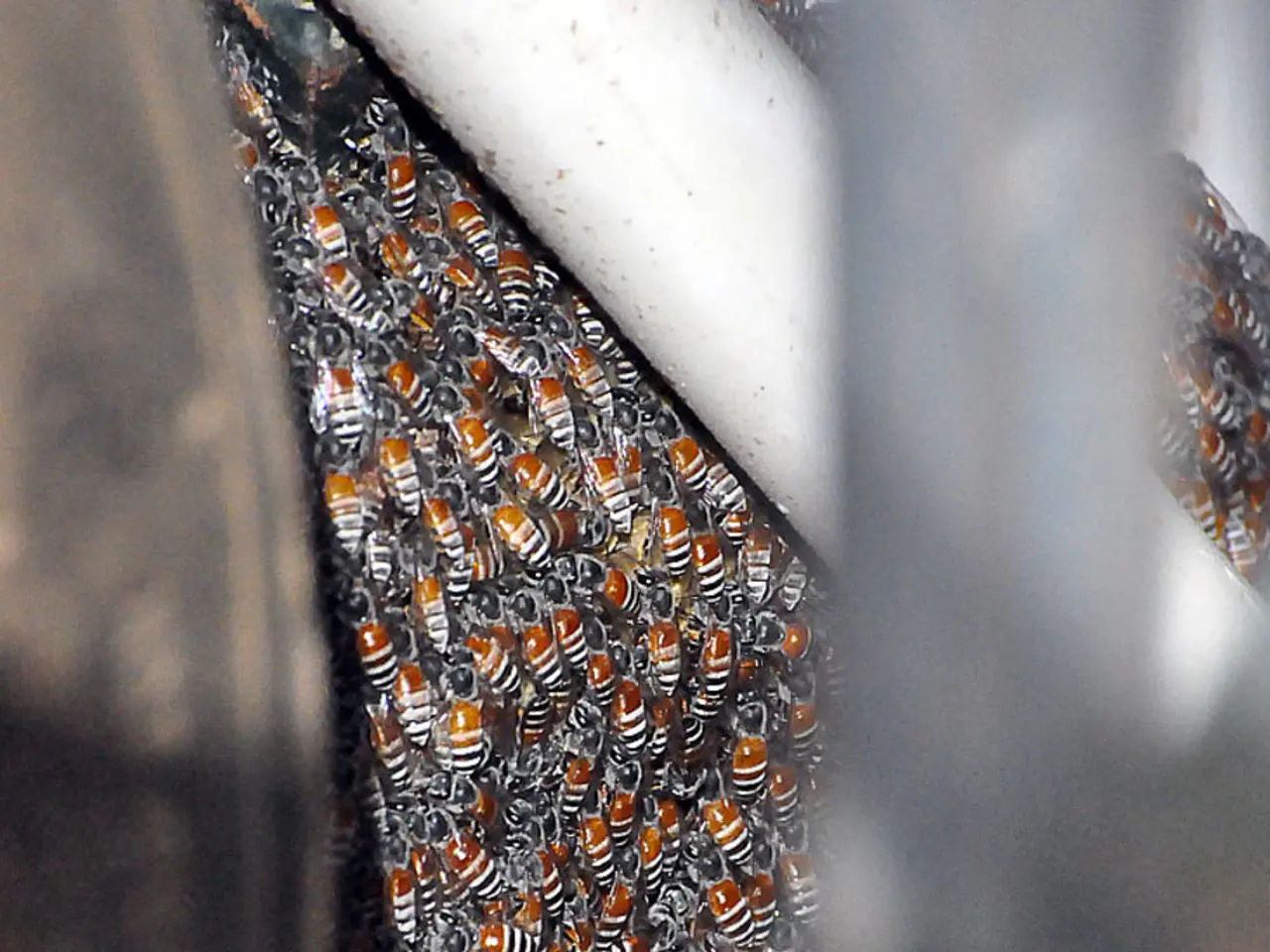
In the world of pollination, bees play a crucial role. However, the practice of large-scale honey production has sparked a debate among ethical vegans, who view it as an exploitative act.
Bees forage from single crops can impair their health due to lack of diverse nutrients and potential exposure to agrochemicals. This concern is heightened when it comes to large, industrial-scale honeybee colonies, which can crowd out other pollinators, reducing ecosystem diversity.
From an ethical vegan perspective, commercial honey production is considered exploitative. Honey is produced by bees for their own use as a food source, and commercial harvesting removes this resource, potentially causing harm or stress to the insects. Large-scale beekeeping can involve treatment that vegans consider exploitative, such as manipulating bee colonies, transporting hives extensively, and practices that may harm bee health or disrupt natural behaviors.
Ethical veganism promotes using animal-free alternatives, and the rise of plant-based honey substitutes reflects concerns about honey's ethical and environmental impacts. Some popular alternatives include maple syrup, date syrup, molasses, agave nectar, coconut nectar, rice syrup, barley malt syrup, and golden syrup.
Vegans avoid consuming or using products that harm or exploit animals, including honey. It's important to note that vegans should carefully check product labels as some syrups may contain animal fats or animal-derived defoaming agents.
The Natural Beekeeping Trust in the United Kingdom states that honeybees do not overproduce honey. Colonies store honey to keep the hive warm during winter and use it as an energy source during the months when there is little to forage. Honey is extracted from hives by beekeepers and then strained to remove wax and other particles, resulting in raw honey. Processed honey is produced by intensely heating or pasteurizing honey to remove pathogens.
Despite these concerns, some people believe honey is acceptable in a vegan lifestyle due to the belief that bees are not animals, more bees are good for the environment, and bees overproduce honey. However, vegans consider beekeeping exploitative because it involves taking honey from bees, which is their food source for sustaining the colony over winter.
The widespread use of these practices by honey producers may contribute to the decline of pollinator species over the last 50 years. Millions of farmed bees mixing with wild pollinators during crop pollination increases the likelihood of spreading parasites and infections among pollinators.
In conclusion, while honey is a natural product with nutritional value and is used in various aspects of life, from cooking and baking to traditional medicine and cosmetics, ethical vegans view large-scale honey production as an exploitative practice. They advocate for plant-based alternatives to honey, promoting a more sustainable and compassionate approach to pollination.
- Ethical vegans argue that consuming honey could potentially cause harm or stress to bees, as honey is produced by bees for their own use as a food source.
- In the health-and-wellness and lifestyle sphere, vegans avoid using products that harm or exploit animals, including honey, and instead opt for plant-based alternatives such as maple syrup, date syrup, or coconut nectar.
- The Natural Beekeeping Trust in the United Kingdom contends that honeybees do not overproduce honey, storing it to keep the hive warm during winter and as an energy source during months with limited foraging opportunities.
- The practice of large-scale honey production is under scrutiny by health-and-wellness advocates and ethical vegans, who argue that it leads to a decline in pollinator species by introducing parasites and infections among bees and other pollinators.