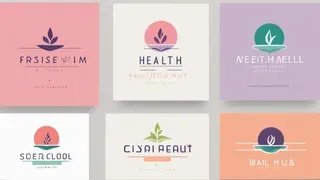

Investigating the optimal color selection for healthcare websites.
Creating a Visually Appealing and Functional Healthcare Website: A Guide to Color Selection
In the realm of healthcare web design, colors play a crucial role in creating an inviting and functional space that fosters trust and supports patient engagement. Here's a breakdown of the best color options and their roles, as well as key considerations to keep in mind when designing a healthcare website.
The Power of Cool Colors
Primarily, cool colors such as blue and green are the best choices for a healthcare website. These colors evoke feelings of trust, calmness, and natural wellness, which are essential for reducing patient anxiety and fostering a sense of safety. These hues align well with healthcare's need to promote serenity and healing, supporting both emotional comfort and professionalism.
Color Psychology
- Blue, representing trust, professionalism, calmness, and reliability, is widely used in healthcare to lower stress and increase patient confidence.
- Green, associated with health, growth, balance, and nature, reinforces wellness and preventive care messages.
- Soft, muted tones rather than bright, aggressive colors minimize stimulation and anxiety, especially in sensitive clinical contexts.
- Accent colors like warm white or subtle gold can suggest cleanliness and quality without overwhelming users.
- Avoid high-gloss or overly bright colors (e.g., strong reds or oranges) as they can raise heart rate and anxiety, which is counterproductive in healthcare environments.
Brand Identity
Colors must reflect the healthcare brand’s mission and values. More clinical and professional brands gravitate toward blues and greens, while family-oriented or wellness-focused brands may incorporate softer, approachable hues. Using consistent color palettes across a site increases brand recognition by up to 80%.
Target Audience
Consider patient demographics and needs. For example, behavioral health units benefit from low-contrast, soothing colors to create a calming atmosphere. Pediatric or family clinics might introduce gentle, optimistic yellows in limited fashion to foster friendliness. Use colors that patients associate positively to encourage engagement and trust.
Accessibility
Ensure sufficient contrast between text and background for readability, accommodating users with visual impairments and color blindness. Avoid combinations that cause confusion or cognitive fatigue. Utilize tools and guidelines such as WCAG to guarantee compliance and inclusive design.
Cultural Sensitivity
Different cultures interpret colors uniquely; for instance, white symbolizes purity in some cultures but mourning in others. Avoid using colors that could convey unintended negative meanings among your specific patient population. Research target audience cultural backgrounds to select universally appropriate or localized palettes.
Recommended Colors and Roles
| Color | Psychological Impact | Best Use in Healthcare Websites | |------------|----------------------------------------------|----------------------------------------------------------------| | Blue | Trust, calm, professionalism | Branding, background, navigation bars, CTAs | | Green | Health, balance, natural wellness | Preventive care messaging, accents, secondary buttons | | Soft White | Cleanliness, simplicity | Backgrounds, clinical photography, whitespace balance | | Muted Gold | Premium quality, luxury (subtle use only) | Highlights for specialist services, premium offerings | | Soft Yellow (sparingly) | Optimism, friendliness | Smaller accents or CTAs for warmth in pediatric/family settings |
Warm and Intense Colors
Warm and intense colors like red, orange, and bright yellow should be used selectively—primarily for urgent CTAs or warnings—because they may raise anxiety or heart rate, which conflicts with healthcare’s calming goal.
By balancing these factors—psychological effects, brand coherence, audience needs, accessibility standards, and cultural nuances—a healthcare website can be both inviting and highly functional, fostering trust and supporting patient engagement effectively.
- The use of cool colors like blue and green in healthcare website design helps promote a sense of trust, calmness, and natural wellness, which are essential for reducing patient anxiety and fostering engagement.
- When selecting a color palette for a healthcare website, it's crucial to consider the brand's mission and values, as well as the needs and preferences of the target audience for optimal engagement and trust.