
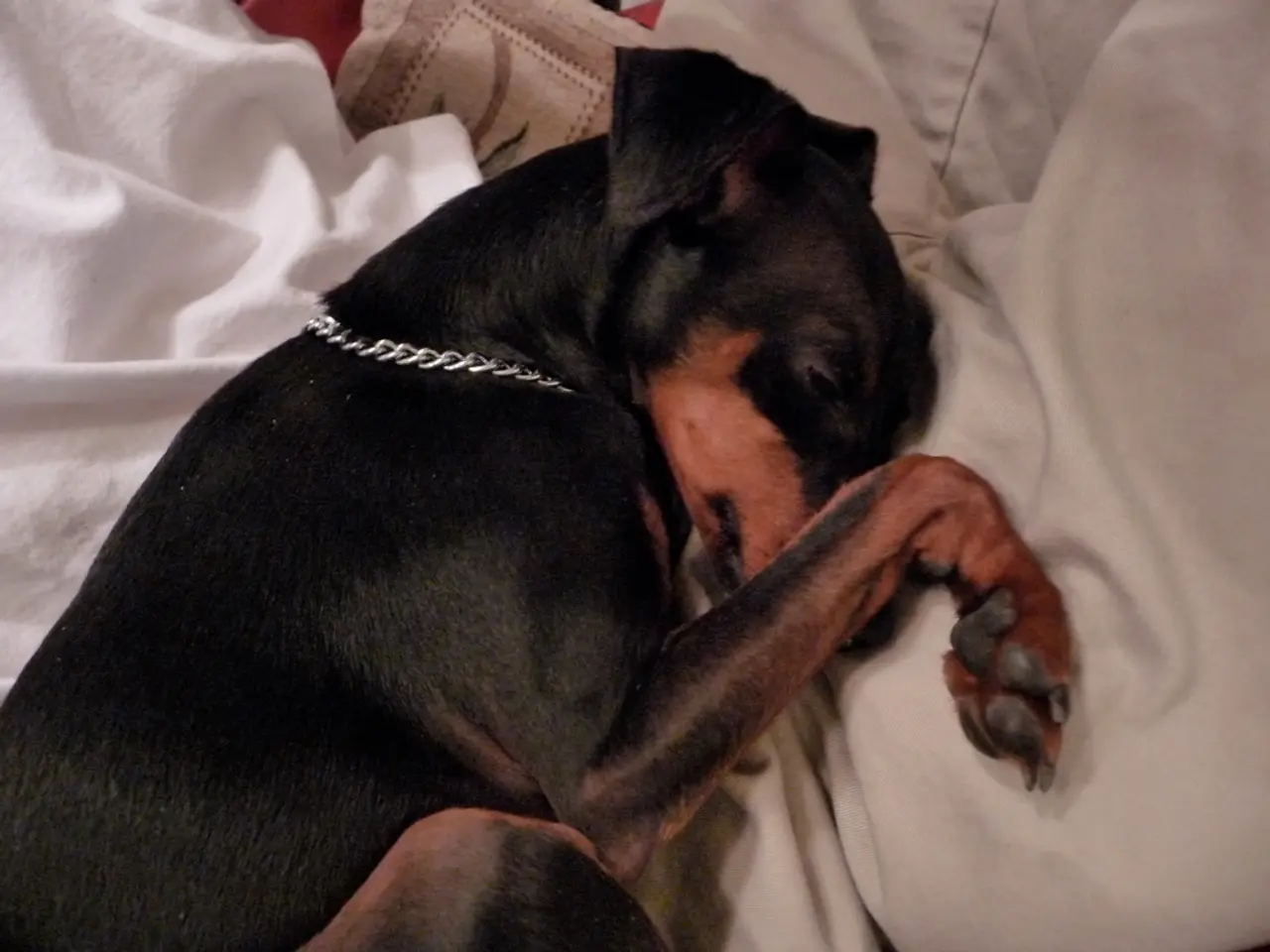
Navigating the Heartache of Canine Loss: cope with the death of your beloved pet
Losing a beloved pet, particularly a dog, can be an incredibly emotional and challenging experience. However, it's essential to remember that the legacy of love a dog leaves behind will always be with you. This article aims to provide a comprehensive guide on coping with grief, healing, and moving forward.
Embrace Your Emotions
Grief is a complex process, and it's important to acknowledge and allow yourself to fully feel your emotions. Remember, grief is not linear, and you may experience stages such as denial, anger, bargaining, depression, and acceptance, which can occur in any order.
Prioritize Self-Care
During this difficult time, prioritizing self-care is crucial. Engage in activities like gentle exercise, mindfulness, and creative pursuits to reduce stress, improve mood, and build resilience.
Seek Support
Expressing your feelings openly to trusted friends, family, or support groups can provide immense comfort. Consider reaching out to specialized pet loss support programs or professional grief counselors who understand pet bereavement.
Memorialize Your Pet
Creating a memory box, planting a tree, holding a memorial, or making art in your dog's honour can help honour their impact and aid healing.
Set Healthy Boundaries
Avoid triggering reminders during work and set aside time to reminisce or grieve. It's essential to maintain a balance and protect your mental health.
Consider Adopting Another Pet
Adopting a new dog should be seen as an opportunity to build a new unique and special relationship. However, it's important to remember that each dog has its own personality and characteristics, so a new dog should not be sought as a replacement. Rushing into a new pet can lead to constant comparisons or feelings of guilt.
Find Gratitude
Recognizing the love, time, and care given to your lost dog can alleviate feelings of guilt or sadness. Taking time to remember happy times shared with your dog can help process grief from a perspective of gratitude.
Healing and Moving Forward
Overcoming loss does not mean forgetting, but rather learning to live with its absence while appreciating everything it taught. Each day, you will find yourself healing a little more, and the love you shared will continue to be a cherished memory.
Maintain a Basic Routine
Maintaining a basic routine that includes a balanced diet, physical exercise, and enough rest is important during grief. Creating a photo album, memory box, or collage of tangible memories of your dog can provide comfort during this difficult time.
In conclusion, combining emotional acknowledgment with self-care, social support, memorialization, and professional resources helps manage the unique and poignant grief associated with losing a dog.
Taking time to express your feelings to others who understand pet bereavement can offer comfort during this difficult period (Seek Support). To keep your mental health in check, try creating a routine that includes a balanced diet, exercise, and adequate rest (Maintain a Basic Routine). As you heal, remember that maintaining a healthy balance between grieving and living is essential for the healing process (Healing and Moving Forward). The science of psychology and mental health suggests that meditation, mindfulness, and creative activities can aid in reducing stress and improving mood during grief (Prioritize Self-Care). Your beloved dog left behind not only emotions but also memories, so consider memorializing your pet in a meaningful way (Memorialize Your Pet).