
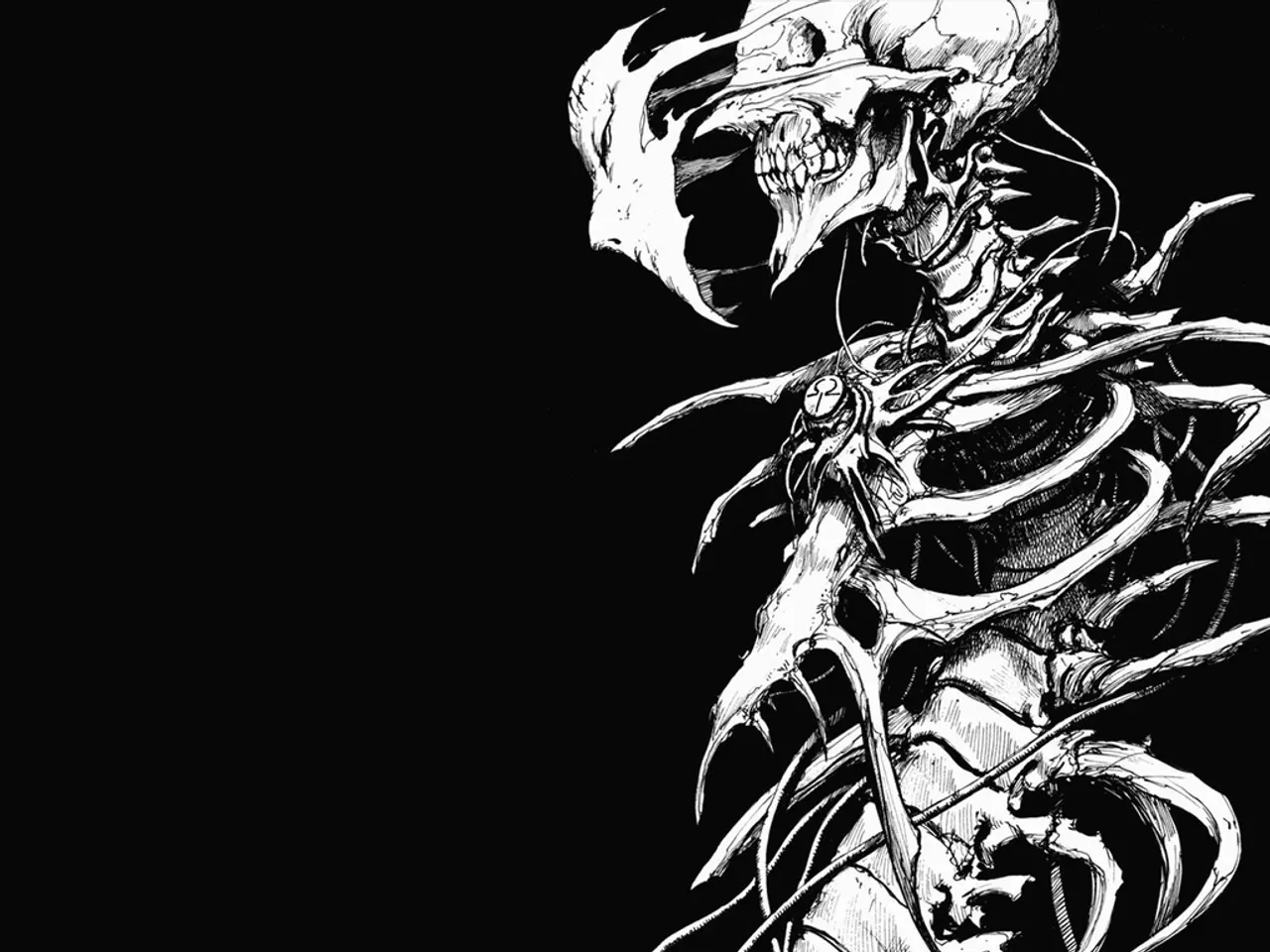
Supernatural Encounter: Exploring Demonic Possession and Exorcism Rituals
In various religions across the globe, the belief in demonic possession and the practice of exorcism have played significant roles, reflecting deep spiritual, psychological, and social dimensions. This article delves into the history and cultural significance of these beliefs in Christianity, Islam, and Hinduism.
Christianity
Rooted in biblical accounts, demonic possession and exorcism have ancient origins within Christianity. These practices are seen as spiritual warfare against evil forces that manifest as physical or mental ailments. During the Middle Ages and Renaissance, the practice intensified, often linked with combating heresy and witchcraft. Exorcism was employed not only as a healing ritual but as a defense against the devil's influence. Rituals typically involve prayer, holy water, and sacred tokens, emphasizing faith's power in overcoming darkness. The Church regulates exorcism rites to distinguish them from superstitions, viewing them as a vital sacrament in confronting evil.
Islam
In Islam, belief in possession by jinn (spiritual beings created from smokeless fire) and devils is widespread. Islamic exorcism, called ruqya, involves the recitation of Quranic verses, prayers, and incantations by a raqi (exorcist) to expel malevolent spirits. Spirits in Islam have moral ambivalence—some are good, others evil—and possession explains illnesses, misfortune, and inexplicable phenomena. The practice is socially mainstream, integrated into religious and cultural life without stigma. Islamic tradition holds that jinn can take physical possession, while devils try to corrupt the heart, making exorcism a tool for cleansing both body and soul.
Hinduism
In Hinduism, possession beliefs are deeply integrated with local traditions and rituals. Spirit possession is often associated with gods, spirits, or demonic forces inhabiting individuals, which can be both malevolent or benevolent. Exorcisms may include chanting mantras, rituals led by priests or shamans, and offerings to appease or drive out the spirit. Unlike the often adversarial Christian and Islamic perspectives, Hindu views may see possession as a form of divine interaction or spiritual awakening, though exorcism aims to restore balance and health. These practices are culturally diverse across regions and intersect with folk religion and Ayurveda.
Across these religions, demonic possession and exorcism reflect humanity's attempts to explain and intervene in suffering, illness, and misfortune through the interplay of the spiritual and material worlds. They embody cultural narratives about evil, morality, and healing, often involving ritualized practices that combine faith, prayer, and community support.
| Aspect | Christianity | Islam | Hinduism | |-------------------------|------------------------------------|---------------------------------------|------------------------------------| | Nature of spirits | Demons as agents of evil | Jinn and devils, morally ambivalent | Spirits/gods/demons, varied roles | | Basis of possession | Evil spiritual entities manifesting | Jinn possess physical body; devils tempt heart | Possession by various spirits, deities, or demons | | Exorcism methods | Prayer, holy water, sacred tokens | Quranic recitations, prayers (ruqya)| Mantras, rituals, offerings | | Cultural role | Spiritual warfare, healing, combating heresy and witchcraft | Common social practice linked to health and morality | Part of folk and religious healing traditions | | Historical development | Biblical origins, medieval institutionalization | Embedded in Quran and Hadith; widespread traditional practice | Ancient roots mixed with regional folk practices |
This overview shows how the concept of possession and its eradication through exorcism serve as vital religious and cultural mechanisms across diverse faiths in addressing the human experience of evil and suffering.
- Although the Church regulates exorcism rites in Christianity to differentiate them from superstitions, many still view it as a valuable means of science, particularly in health-and-wellness, addressing physical and mental ailments.
- In Islam, the practice of ruqya, or Islamic exorcism, carries no stigma within society and is often integrated with general-news discussions, reflecting its mainstream status and potential connection to entertainment.
- Evidence of exorcisms in Hinduism can be found in both books and crime-and-justice records, as local authorities are sometimes called upon to intervene during these rituals for overall public order.
- The supernatural aspect of exorcisms is undeniable, given the alien-like beings and UFO sightings often reported during these practices in various religious contexts.
- The general public's interest in matters related to exorcism, spiritual warfare, and possession has led to it becoming a significant aspect of mental-health discussions, as witnesses and practitioners sometimes encounter traumatic experiences or question their sanity.
- Oftentimes, these ancient practices have evolved over time and remain relevant today, bridging the gap between historical phenomena and modern beliefs about demonic possession and exorcism.
- Regardless of religious affiliation, one can argue that the shared belief in exorcism across Christianity, Islam, and Hinduism reflects a universal desire for answers, healing, and a sense of control over haunting, inexplicable phenomena that persist in our world.