Wild boars in Brandenburg tested positive for Trichinella parasites
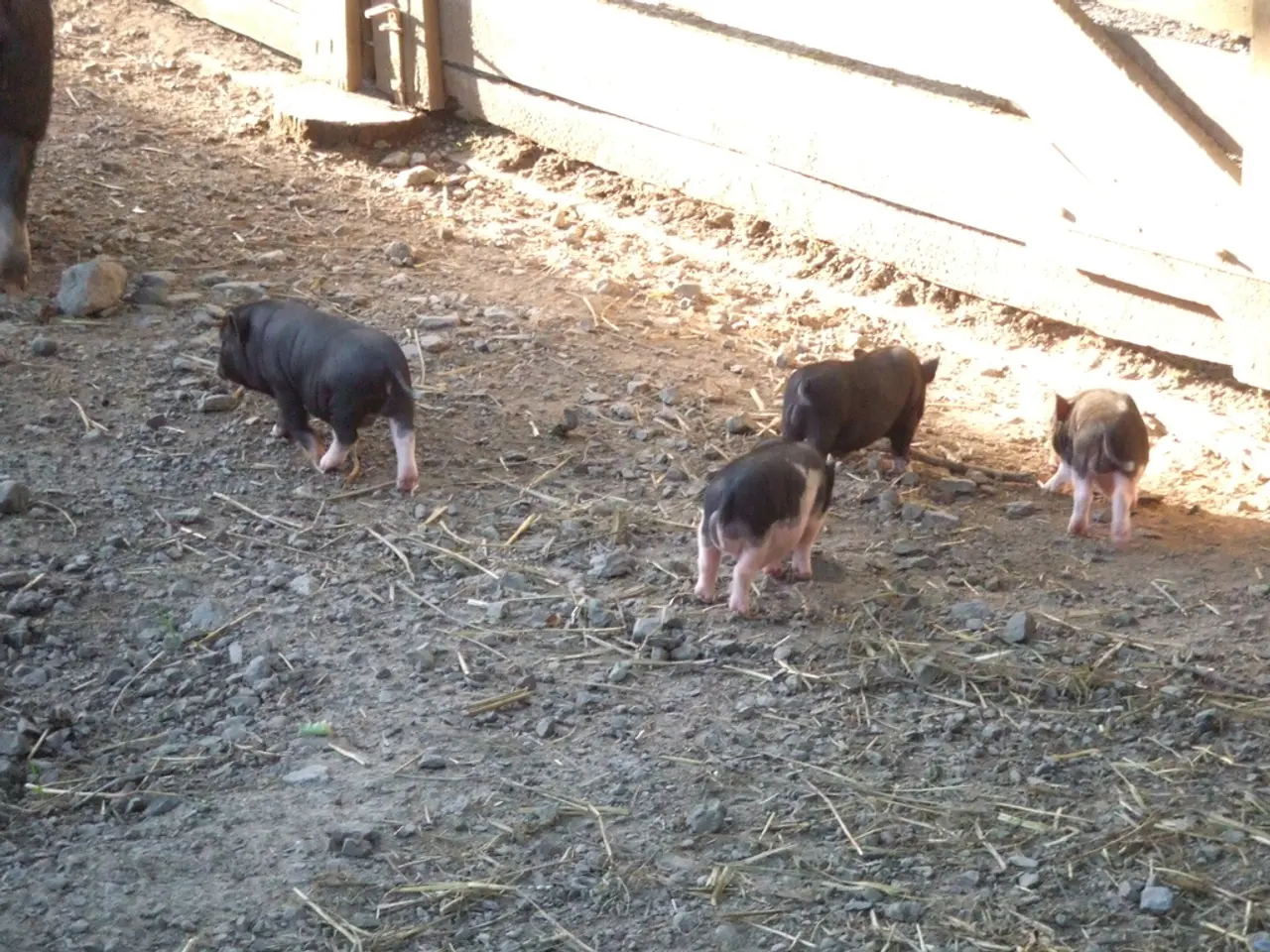
In the district of Teltow-Fläming, a wild boar has been found to carry the parasite Trichinella, which causes the disease trichinosis. The discovery was reported on Wednesday.
Trichinosis is a foodborne illness that can range from mild to severe in humans. It is not specific to Brandenburg, but can occur in other regions and countries. In Germany, trichinosis is a reportable disease.
The parasite, Trichinella, is found in the muscles of the infected animal. Consumption of undercooked meat infected with Trichinella can cause trichinosis in humans.
To prevent trichinosis outbreaks, there are key guidelines in place for the consumption of wild boar meat in Brandenburg. These guidelines follow the European Union regulations on game meat and food safety.
Mandatory testing of wild boar meat for Trichinella larvae is required before it is sold or consumed. Hunters and processors are typically required to have the meat inspected by authorized veterinary laboratories.
Proper cooking of the meat is also essential. Meat should be cooked to an internal temperature sufficient to kill Trichinella larvae, generally recommended to be at least 71°C (160°F) throughout. Avoiding raw or undercooked preparations such as homemade sausages or dry-cured products that do not reach sufficient drying time or temperature necessary to kill larvae is also advised.
In 2019, an anomaly occurred with 27 cases of trichinae in wild boars in Brandenburg. In 2023, seven cases were found, followed by six cases in 2024, and five cases in 2025. The number of annual findings of trichinae in wild boars in Brandenburg fluctuates.
Trichinosis is rare in Germany, but it is a serious health concern when it does occur. The disease manifests with symptoms from mild stomach upset to severe muscle inflammation, facial swelling, and potentially fatal conditions like myocarditis or encephalitis if untreated.
Public health authorities emphasize thorough testing and cooking of wild boar meat to mitigate these risks. The Federal Institute for Risk Assessment provides information about trichinellosis.
There are no official exceptions or differences specific to Brandenburg beyond the general German and EU food safety framework, which prioritizes testing wild game and thorough cooking. Hunters and consumers are advised to strictly follow these rules to avoid trichina infection from wild boar meat.
In summary, wild boar meat in Brandenburg must undergo testing for Trichinella larvae and be cooked thoroughly to safely consume it, in compliance with German/EU food safety regulations targeting trichinosis prevention.
[1] Federal Institute for Risk Assessment: Trichinellosis [2] European Commission: Food safety for game [4] Brandenburg State Office for Health and Social Affairs: Trichinellosis
- Despite the wild boar in Teltow-Flaming carrying Trichinella, causing the disease trichinosis, it's important to note that trichinosis is a global concern, not limited to Brandenburg.
- In the context of health and wellness, it's crucial to prevent trichinosis outbreaks, and science plays a significant role in this, particularly in environmental science and medical-conditions like neurological disorders linked to climate change.
- CBD, a compound found in cannabis, hasn't been explicitly mentioned in our discussion about trichinosis, but it's worth noting that it's being studied for its potential in treating various medical-conditions, including neurological disorders.
- As we strive for health-and-wellness and food safety, resources like the Federal Institute for Risk Assessment, the European Commission's guidelines on food safety for game, and Brandenburg State Office for Health and Social Affairs are valuable sources of information for preventing trichinosis.